
Home > Listening Therapy > Introduction
 Pregnancy: "The ear is the first organ of the foetus to be fully functional.Through it the foetus makes contact via sound: visceral, organic and especially vocal sound."…Read More
 Speech and Learning Difficulties: "When it comes to speaking, the right side orientation (right ear dominance) is absolutely essential and thinking on the right is, if I may say so, the only way that man can become truly master of himself."…Read More
 Hypersensitive Hearing: "Sensitivity to loud noises or having acute hearing is not registered during a conventional hearing test and it is not normally considered."…Read More
 Meditation and Wellbeing: "The in audible sound that one strives for in the final stage of Raga Yoga is no more than that produced by the filtering of bone conduction."…Read More
 Voice: "If your voice has good timbre and is rich in overtones you are charging yourself each time you use it. Your voice can only produce what the ear perceives." (1st Law of Tomatis Effect) …Read More
 Musicality: "By it's modulations, music fashions human beings in their physical and spiritual components."…Read More
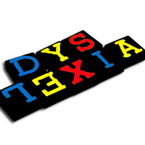 Dyslexia: "We read with our ears, the written sign is nothing but a sound which needs to be reproduced."…Read More
 Dyspraxia: "The ear is like a radio receiver which has different frequencies and wave bands.Suppressing and altering these wave bands will render a person incapable of writing."…Read More
 Language Integration: "Learning a foreign language is not a question of having a gift for language but rather a problem of listening. Open the ear and it becomes evident 'that we are all born linguists'."…Read More
 Performing Arts and Communication: "Through vocal self expression man listens to himself. This may sound very simple, but it is not, because that which hears, never is that which he emits."…Read More
 Sports: "Most people think that sporting gifts are just one of those things that some lucky people are blessed with. Prof. Tomatis asked the question 'why some and not others?."…Read More
 Behavourial Isssues: "The desire to listen has enormous power to induce change."…Read More
 Self Development: "For the brain there is neither holidays nor retirement."…Read More
Visual Arts: "Without my moving, chaos had rearranged itself before my eyes into a new and rigorous order. Nothing had actually changed but it was I who was now situated inside this vision of the world instead of outside."…Read More